This article provides general information, not personal medical advice. Speak to an appropriate healthcare professional about symptoms, medicines or concerns.
The short answer
Sleep apnoea is when breathing repeatedly stops and starts during sleep. The most common form is obstructive sleep apnoea, or OSA. It can be difficult to spot yourself because the main symptoms happen while you are asleep.
One symptom does not prove you have it. If somebody has noticed breathing pauses or gasping, or you are consistently very tired during the day, speak to your GP.
- Loud snoring and breathing that stops and starts.
- Gasping, choking or snorting noises during sleep.
- Waking frequently, sometimes without remembering it.
- Feeling very tired or sleepy during the day.
- Difficulty concentrating, mood changes or morning headaches.
What happens when you have obstructive sleep apnoea?
During sleep, the airway can narrow or close temporarily. Breathing stops, then the brain briefly wakes you enough to reopen it. You may fall straight back to sleep without remembering anything. When that cycle repeats, your sleep is disrupted even if you spent plenty of time in bed.
That can explain why somebody apparently sleeps all night but wakes feeling as though they have barely slept. The pattern needs a proper assessment; a phone recording cannot tell you how severe it is.
What might somebody else notice at night?
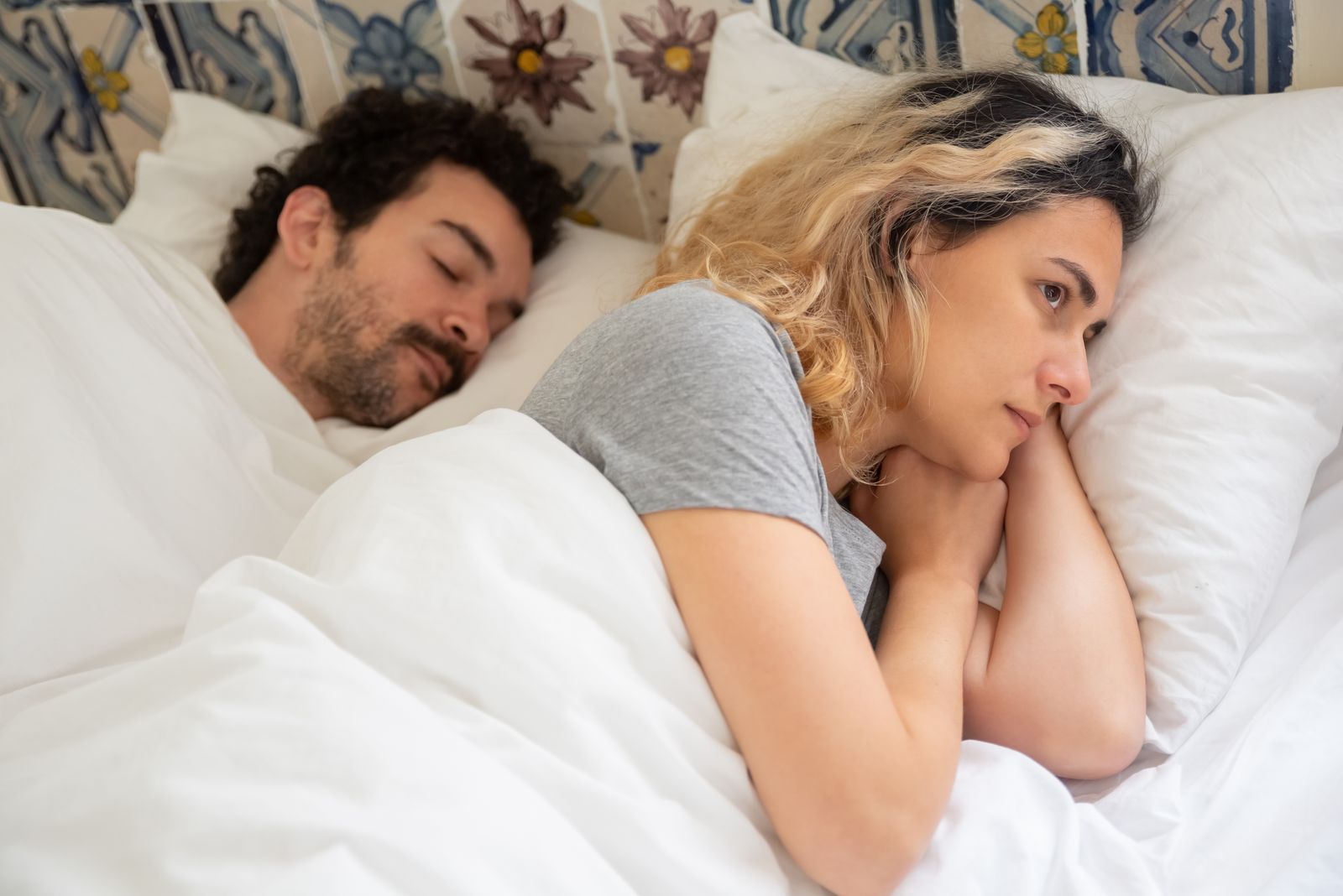
A partner may hear loud snoring broken by quiet pauses, then gasping, snorting or choking as breathing starts again. They may see that your breathing stops and starts, or notice that you wake repeatedly.
You might wake suddenly catching your breath, but many people do not remember the episodes. Ask somebody who has seen or heard them to describe what happened. The NHS says it can help to bring that person to your GP appointment.
What are the daytime signs?
The biggest clue may be how you feel when you are supposed to be awake. Regularly falling asleep while watching television or sitting at work is different from feeling a bit flat after one late night. Trouble concentrating, waking with a headache and mood changes can also occur.
Tiredness has many possible causes. These signs are worth discussing with a GP, especially when they occur alongside witnessed breathing pauses or gasping at night.
Is all snoring sleep apnoea?
No. Snoring alone does not confirm that breathing is repeatedly stopping. The more concerning pattern is loud snoring with pauses, gasping or choking and pronounced daytime sleepiness.
A recording or wearable can help show what you or your partner have noticed, but it cannot replace a clinical assessment and, when needed, an overnight sleep test. Do not dismiss the pattern simply because you have snored for years.
Who may be more at risk?
The NHS links sleep apnoea with obesity, a larger neck, getting older, family history, alcohol, smoking, large tonsils or adenoids, sleeping on your back and chronic obstructive pulmonary disease. Having one of these factors does not mean you have sleep apnoea, and people without them can still have symptoms.
When should you see your GP?
The NHS advises seeing a GP if your breathing stops and starts while you sleep, you make gasping, snorting or choking noises, or you always feel very tired during the day. You do not need to wait until you have every symptom on the list.
Before the appointment, note how long this has been happening, what somebody else has witnessed, whether you fall asleep unintentionally and how you feel during the day. Mention any medicines or sleep aids you use. Do not stop prescribed medication without speaking to a healthcare professional.
What happens during a sleep-apnoea test?
If your GP thinks sleep apnoea is possible, they may refer you to a specialist sleep clinic. You may be given devices that record your breathing and heartbeat overnight. The test can usually be done at home, though sometimes an overnight clinic stay is needed.
The results help the clinic determine whether sleep apnoea is present and how severe it is. You are being assessed while you sleep; there is no need to deliver a perfect eight hours for the equipment.
Can it be treated?
Yes. Treatment depends on the diagnosis and severity. Lifestyle measures may include losing weight if you are overweight, stopping smoking, reducing alcohol, exercising, improving sleep habits and sleeping on your side. Many people need a CPAP machine, which gently pumps air through a mask to help keep the airway open.
Other options sometimes include a device worn in the mouth to hold the airway open or specialist treatment. Lifestyle changes are not a reason to delay assessment when symptoms are significant. The NHS also advises against sleeping pills unless a doctor recommends them because they can make sleep apnoea worse.
What about driving?
Do not drive if excessive sleepiness affects your ability to drive safely. GOV.UK says you must tell the DVLA if you have confirmed moderate or severe obstructive sleep apnoea syndrome with excessive sleepiness. Other sleep conditions that have caused excessive sleepiness for at least three months, including suspected or confirmed mild obstructive sleep apnoea syndrome, may also need to be reported.
You must not drive until you are free from excessive sleepiness, or your symptoms are controlled and you are strictly following any necessary treatment. Ask your doctor if you are unsure and check the latest requirements on GOV.UK.
A practical next step
Ask somebody who has seen you sleep what they noticed, write down your night-time and daytime symptoms, and book a GP appointment. Mention any times you have fallen asleep unintentionally. Treat apps and wearables as supporting information rather than a diagnosis.
It is worth getting checked if breathing repeatedly stops while you sleep or you are fighting to stay awake during the day. Seeking help is not making a fuss about snoring.
PLEASE NOTE: This article provides general health information and cannot diagnose sleep apnoea. Contact your GP if you are concerned about symptoms. Follow current GOV.UK and medical advice concerning excessive sleepiness and driving.
Keep reading
Sources and further reading
- NHS: Sleep apnoea ↗
- Royal Papworth Hospital NHS: Obstructive sleep apnoea ↗
- GOV.UK: Excessive sleepiness and driving ↗
ManUp uses primary and authoritative sources where practical. See our editorial policy for how we research and update articles.